

Bird Of Prey (1996)
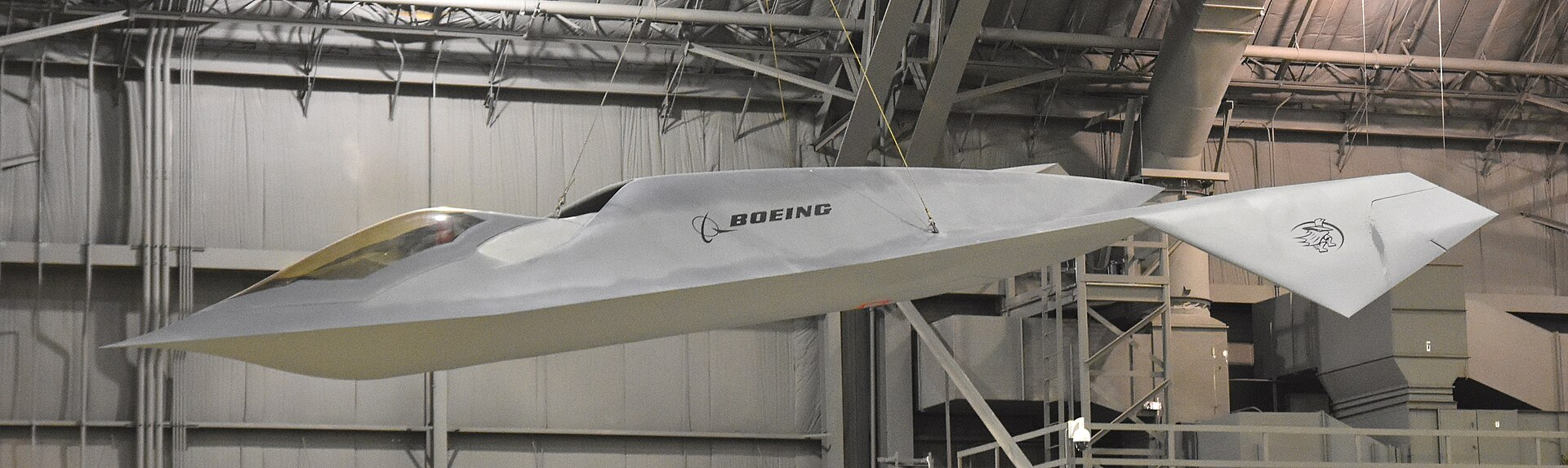
General Information
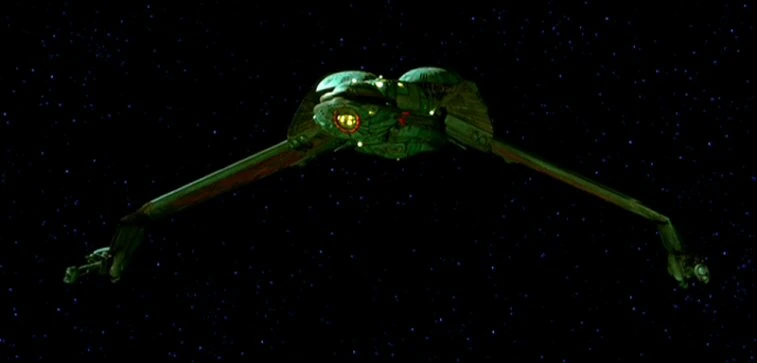
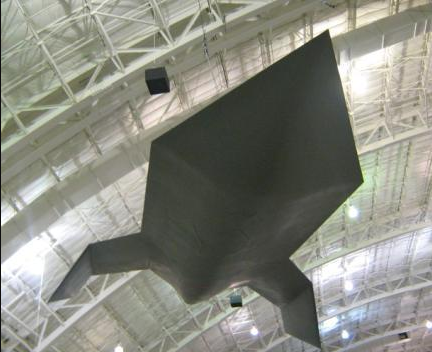
The Boeing Bird of Prey is an American black project experimental stealth testbed aircraft, intended to demonstrate stealth technology. It was developed by McDonnell Douglas and Boeing in the 1990s. Provided with just $67 million of funding for the project; it was a low-cost program compared to many other programs of similar scale. The Bird of Prey was named for its resemblance to the Klingon spacecraft from the science fiction series Star Trek as shown below.
It was a single-seat, black project aircraft, with a distinctive, faceted shape that was designed to deflect radar signals. It was a compact design employing body lift and a unique dorsal intake of achieve all-aspect stealth. the platform was used also to test materials and construction technologies, contributing to future technology and materials which would later be used on Boeing's X-45. The aircraft was built in 1992 and made its first flight on 11 October 1996.
Aircraft History
Development began in 1992
By McDonnell Douglas's Phantom Works division for special projects, at Area 51.
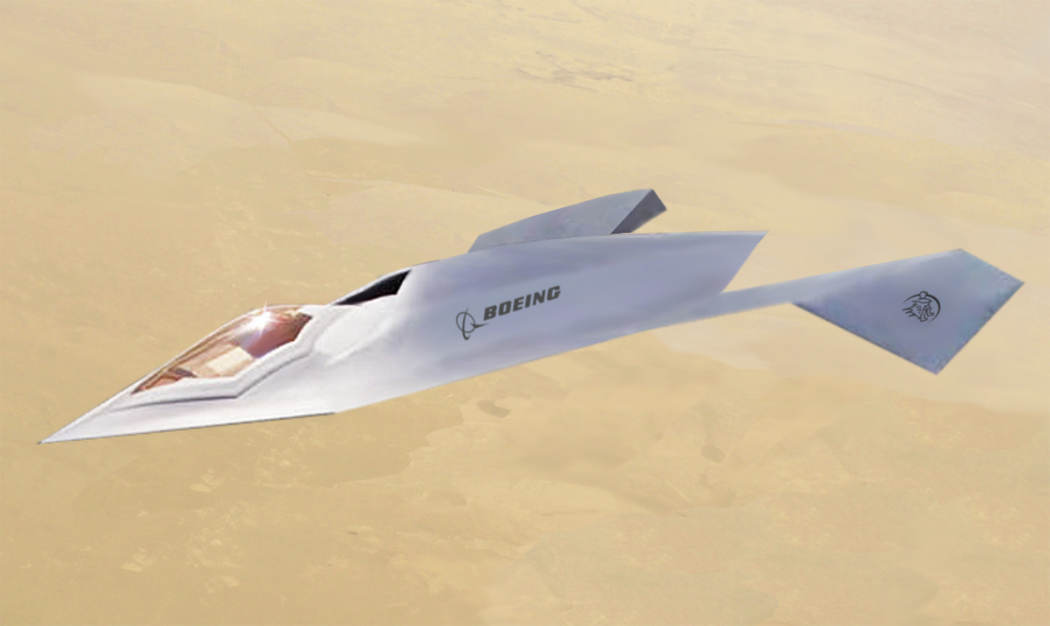
First flight in 1996
And made a total of 38 flights, where it was used to determine ways to make aircraft less observable not only to radar but also to the eye. The Bird of Prey was designed to prevent shadows and is believed to have been used to test active camouflage, which would involve its surfaces changing color or luminosity to match the surroundings. Because it was a demonstration aircraft, the Bird of Prey used a commercial off-the-shelf turbofan engine and manual hydraulic controls rather than fly-by-wire. This shortened the development time and greatly reduced its cost.
Final flight in 1999
The aircraft made its final flight in 1999 and it was declassified three years later when its design techniques had become standard practice. The program also validated new ways to design and build aircraft using large single-piece composite structures, as well as “virtual reality” computerized design and assembly and disposable tooling.
Public by 2002 & donated by 2003
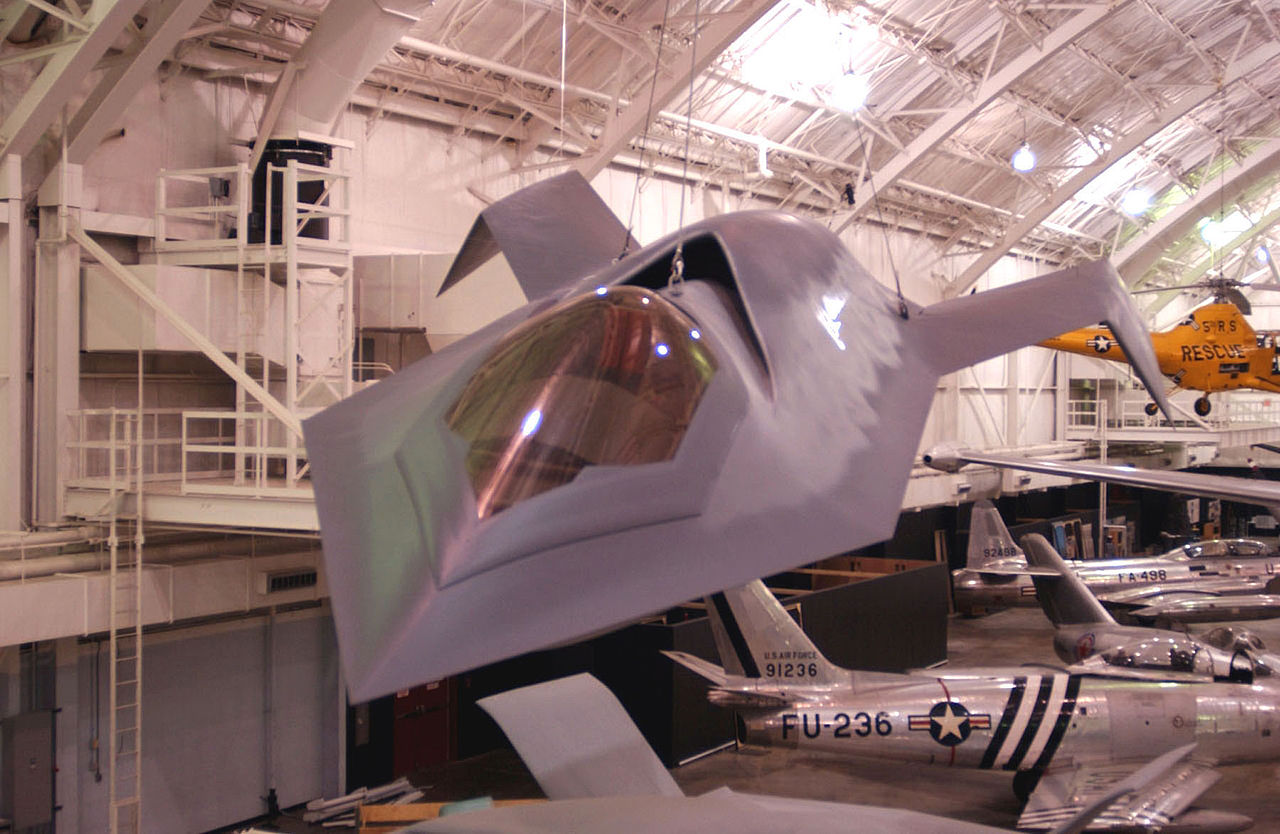
The Bird of Prey was publicly revealed on October 18 2003 along with its designation YF-118G which was used as a cover. The lasting legacy of the Bird of Prey was its ability to demonstrate advances in stealth concepts, notably the “gapless” control surfaces that were developed to blend smoothly into the wings to reduce radar visibility, while the engine intake was completely shielded from the front.
Boeing donated the sole YF-118G Bird of Prey to the National Museum of the United States Air Force at Wright-Patterson Air Force Base near Dayton, Ohio on July 16, 2003. It is now on display at the museum's Modern Flight Gallery above their F-22 Raptor.
Specifications
| Specification | Description |
|---|---|
| Crew | 1 |
| Length | 46 ft 8 in (14.22 m) |
| Wingspan | 22 ft 8 in (6.91 m) |
| Height | 9 ft 3 in (2.82 m) |
| Wing Area | 220 sq ft (20.4 m2) (estimated) |
| Maximum Speed | 260 kn (299 mph, 482 km/h) |
| Service Ceiling | 20,000 ft (6,100 m) |
| Maximum Takeoff Weight | 7,400 lb (3,356 kg) |
| Powerplant (Engine) | 1× Pratt & Whitney Canada JT15D-5C , 3,190 lbf (14.2 kN) thrust |
| Misc | The shape is aerodynamically stable enough to be flown without computer correction. Its aerodynamic stability is in part due to lift provided by the chines. This provided lift for the nose in flight. This configuration, which can be stable without a horizontal tailplane and a conventional vertical rudder |